

Keloid Scar Treatment
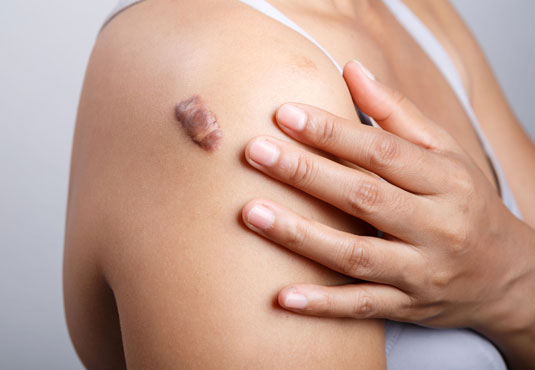
Keloid Scar Treatment, under the skilled hands of Uzm.Dr. Ecem Cantürk Nazlı in Izmir, addresses the need for improving the appearance and function of keloid scars. The key strengths of this procedure include its ability to offer anatomical improvement and a permanent solution. Patients benefit aesthetically and functionally, experiencing a transformation that enhances both appearance and skin quality.
Achieving natural and balanced results is essential, contributing to both physical and psychological well-being. Many find that this treatment not only rejuvenates the skin but also aids in recovery and boosts self-confidence. The perception of comfort and the controlled effect of the procedure are crucial in ensuring patient satisfaction.
What Is Keloid Scar Treatment?
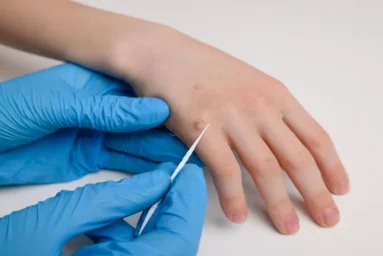
Keloid scar treatment is a medical approach aimed at reducing the size and appearance of keloid scars, which are raised, thickened areas of skin that result from an overproduction of collagen during the healing process. This treatment targets the scar tissue to improve the skin’s aesthetic appearance and alleviate any associated discomfort or restrictions in movement.
In the field of dermatology, keloid scar treatment is crucial for patients experiencing discomfort or cosmetic concerns due to excessive scar formation. It may be suitable for individuals who have a predisposition to keloid scarring, often following surgery, injury, or acne. Evaluating each case on an individual basis is essential to determine the most appropriate treatment plan, as keloid scars can vary significantly in size, location, and severity.
How Is Keloid Scar Treatment Performed?
The process of keloid scar treatment typically begins with a consultation in the clinic, where the general framework of the treatment plan is established. Depending on the characteristics of the keloid scar, a tailored approach is developed to address the specific needs of the patient while aiming to minimize the appearance of the scar.
During the examination, careful evaluation of the keloid scar by the physician is crucial. Factors such as the scar’s location, size, and the patient’s skin type are considered to determine the most effective treatment method. In our clinic, I evaluate all these factors to ensure a personalized and effective treatment plan.
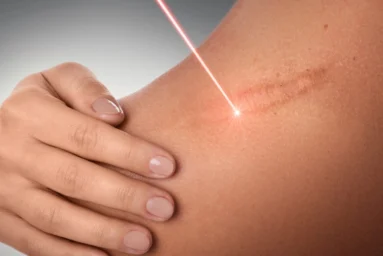
The application stage involves a controlled and individualized approach, which may include techniques like corticosteroid injections, surgical removal, or laser therapy. Each method requires careful application to avoid recurrence or additional scarring. The choice of treatment is based on the patient’s unique condition, ensuring the best possible outcome within a clinically guided framework.
Understanding the Causes of Keloid Scars
Keloid scars can occur due to a variety of causes. These scars typically form as a result of an overproduction of collagen during the healing process of a wound. Common triggers include:
- Injuries from surgeries or accidents
- Severe acne or chickenpox scars
- Body piercings or tattoos
- Insect bites or vaccinations
Understanding these causes is crucial for preventing keloid formation and for planning effective treatment strategies.

Personalized Treatment
Every individual’s skin and skin structure are unique. Therefore, Keloid Scar Treatment should be personalized for each person.

Sterile Clinical Environment
Keloid Scar Treatment must be performed under the supervision of a specialist physician and in a sterile clinical environment.

Treatment Tailored to Your Needs
In our clinic, the number of sessions is customized specifically for you, both for Keloid Scar Treatment and our other treatments.
Medical Treatments for Keloid Scar Reduction
Several medical treatments are available to reduce the appearance of keloid scars. These treatments aim to flatten, soften, or reduce the size of the scars. Treatment options include:
- Corticosteroid Injections: These are administered directly into the keloid to reduce inflammation and flatten the scar.
- Laser Therapy: This technique uses targeted light to reduce scar tissue and improve skin texture.
- Pressure Therapy: Applying pressure garments can help flatten keloids over time.
Each treatment has specific indications and should be selected based on the patient’s needs and medical history.
Surgical Options for Keloid Removal
In cases where non-invasive treatments are ineffective, surgical options may be considered to remove keloid scars. Surgical procedures include:
- Excision: This involves cutting out the keloid tissue. Often, this is followed by other treatments to prevent recurrence.
- Cryosurgery: Freezing the scar tissue can reduce its size and hardness.
- Laser Surgery: Advanced laser techniques can help in precise removal of keloid tissue with minimal damage to surrounding skin.
Post-surgical care is essential to minimize the risk of keloid recurrence.
Potential Side Effects and Risks of Keloid Treatments
While treatments for keloid scars can be effective, they may also carry potential side effects and risks. Patients should be informed about:
- Skin Discoloration: Some treatments may cause temporary or permanent changes in skin color.
- Infection Risks: Any procedure that breaks the skin barrier carries a risk of infection.
- Recurrence: Keloids have a tendency to recur, even after treatment.
Consulting with a healthcare professional can help mitigate these risks and tailor the treatment plan to individual needs.
Role of Genetics in Keloid Formation and Treatment
Genetic factors play a significant role in the formation of keloid scars. Individuals with a family history of keloids are more prone to developing them. Key points include:
- Higher prevalence in certain ethnic groups, including African, Hispanic, and Asian populations
- Family history as a strong predictor of keloid susceptibility
- Genetic research helping to inform personalized treatment approaches
Understanding the genetic basis can aid in predicting treatment outcomes and in developing targeted therapies.
Post-Treatment Care and Recovery for Keloid Scars
Proper post-treatment care is crucial for achieving the best results in keloid scar management. Recommendations include:
Skincare Regimen
Maintaining a gentle skincare routine with hypoallergenic products can help minimize irritation and support healing.
Follow-Up Appointments
Regular follow-up with a healthcare provider is important to monitor progress and make any necessary adjustments to the treatment plan.
Sun Protection
Using sunscreen can help prevent hyperpigmentation and protect the treated area from UV damage.
Adhering to these guidelines can enhance the effectiveness of the treatment and reduce the likelihood of recurrence.
| Treatment Method | Procedure Duration | Recovery Period |
|---|---|---|
| Corticosteroid Injections | 15-30 minutes | Minimal downtime |
| Laser Therapy | 30-60 minutes | 1-2 days |
| Surgical Removal | 60-90 minutes | 1-2 weeks |
| Silicone Gel Sheets | Continuous use | No downtime |
| Pressure Therapy | Continuous use | No downtime |
Clinical Evaluation and Expert Approach in Dermatology
When assessing a patient’s needs, a comprehensive clinical evaluation is vital to understanding the unique anatomical and dermatological variables at play. Dermatologists consider factors such as skin elasticity, collagen density, and the overall structural integrity of the dermal layers. These elements are crucial in tailoring treatment approaches that address the specific concerns of each individual. By examining these anatomical and tissue characteristics, a dermatologist can develop a nuanced strategy that caters to the patient’s unique biological makeup and long-term health.
Evaluating a patient’s skin type and any existing dermatological conditions is a critical component of the clinical approach. Understanding the history of previously applied procedures, along with how the patient responded to those treatments, informs future decision-making. An expert’s perspective involves balancing immediate treatment needs with long-term maintenance requirements, ensuring that any intervention aligns with the patient’s overall dermatological health and lifestyle.
Key Considerations in Clinical Decision-Making
- Anatomical structure and tissue characteristics
- Skin type and existing dermatological conditions
- Previously applied procedures and responses
- Long-term balance and maintenance requirements
Keloid Scar Treatment Prices
Understanding that keloid scar treatment needs can vary significantly from one individual to another, it is essential to recognize that prices may differ based on personal variables. Factors such as the size, location, and nature of the scar contribute to the uniqueness of each treatment plan, making a standard price impractical. After a thorough clinical evaluation, a tailored fee is determined to suit your specific needs. For precise pricing details and personalized advice, please contact the clinic directly to schedule a consultation.
Conclusion
Keloid scar treatment addresses the need for reducing excessive scar tissue that can impact both physical appearance and comfort. The decisive role of individualized evaluation, as emphasized by Uzm.Dr. Ecem Cantürk Nazlı, ensures that each treatment plan is tailored to the specific characteristics of the keloid and the patient’s skin type. Through comprehensive examination and expert physician opinion, the treatment process is precisely shaped. This clinical approach relies on a careful balance of assessment and treatment modalities to provide optimal care.
Keloid Scar Treatment Frequently Asked Questions
Question: Is the keloid scar treatment procedure painful?
Answer: The procedure may cause mild discomfort, which varies depending on the treatment method used. Most patients report that any pain experienced is manageable and temporary.
Question: How soon can I see the effects of keloid scar treatment?
Answer: The timeline for noticeable effects can vary based on the treatment method and individual response. Generally, improvements may be observed within a few weeks to months following the procedure.
Question: Can I return to daily activities immediately after keloid scar treatment?
Answer: Most patients can resume daily activities shortly after the treatment. However, it is advisable to follow any specific aftercare instructions provided by your physician to ensure optimal healing.
Question: How many sessions are typically required for effective keloid scar treatment?
Answer: The number of sessions needed can vary depending on the severity of the keloid and the treatment method. Your physician will provide a personalized treatment plan after evaluating your specific case.

İçerik Sorumlusu ve Tıbbi Denetim
TIBBİ UZMAN
Uzm. Dr. Ecem Cantürk Nazlı — Dermatoloji Uzmanı – Medikal Estetik
Uzm. Dr. Ecem Cantürk Nazlı, Hacettepe Üniversitesi Tıp Fakültesi İngilizce programından mezun olmuş; dermatoloji, lazer uygulamaları ve medikal estetik alanlarında 10 yılı aşkın mesleki deneyim edinmiştir.
Ulusal ve uluslararası eğitimlerle mesleki çalışmalarını sürdüren Dr. Ecem, 2022 yılından bu yana İzmir Alsancak’taki özel muayenehanesinde hastalarını kabul etmektedir.
Keloid Scar Treatment içeriği Uzm. Dr. Ecem Cantürk Nazlı tarafından hazırlanmış ve tıbbi doğruluk açısından incelenmiştir.
Yayınlanma: December 2025. Bu sayfa bilgilendirme amaçlıdır, tıbbi tavsiye yerine geçmez.